Journal
Are Coffee Grounds Good For Plants?
How to make best use of coffee grounds in the garden.

In this article
Have you noticed that your local cafe has started to give away it’s spent coffee grounds? Or have you been making plenty of coffee at home wondering if there’s an alternative use for this other than the bin? Spent coffee grounds have high levels of nitrogen, and are a great fertiliser for gardens.

How to use coffee grounds in your compost?
Using coffee grounds in your compost is a great alternative to the coffee grounds ending up in the bin. It adds huge amounts of nitrogen to the compost, which plants love.
It’s as easy as throwing away the contents of your knock box, or if you use coffee papers, even drop those in as the papers can break down easily and add some extra carbon to the compost.
At our roastery, we have a secret garden at the back, which is maintained by Ingrid Van Oostrom, a local gardener. We love learning about growing fruits and vegetables, and gaining little tips and tricks from Ingrid. On of the most recent ones about composting was to make sure we balance our our green and brown compost materials. Coffee grounds, and coffee chaff, are both considered green compost materials, so you will need to find some brown compost materials to blend in. It’s recommended to have a 1:2 green to brown ratio.
It’s also important to turn the heap as it adds air which is necessary for composting to occur. If the heap is too wet or becomes compacted, then the composting process is slower as less air is available.
Ideally, place a lot of composting materials on the heap in one go, and turn it periodically (perhaps every month) to introduce air. Failure to turn the heap is probably the main cause of poor results.
Can you use coffee grounds as fertiliser?
Coffee grounds have many good uses in the garden, it makes for an excellent fertiliser. Since it’s an organic material, it helps to improve drainage, water retention and aeration in the soi. The used coffee grounds will also attract earthworms and help microorganisms beneficial to the plant growth to thrive.
Some gardeners report that coffee grounds lower the pH (or acidity) of the soil, which is great for plants that prefer an acidic environment like azaleas and rhododendrons. This is true for unused coffee, so if you want your shrubs to thrive, throw in some freshly ground coffee. Used coffee has a near neutral ph of 6.5 so it will not affect the acidity of the soil.
Remember to really work it into your soil.

Is there anything else used coffee grounds can be used for?
We’re glad you asked! Used coffee grounds are incredibly versatile, you can use it for:
- Mulch for plants
- Keeping away slugs and snails (the theory here is the left over caffeine is a good repellent)
- Keeping cats away (the smell stops them using it as a litter tray)
- Helping worms to thrive! Worms love used coffee grounds, so if you have a worm bin, thrown some in, the worms will be very happy.
More ways to get the most from your coffee: learn how to store coffee beans, or find the right recipe in our brew guides.

Written by Lynsey HarleyWe roast every coffee in small batches at our roastery in Glenrothes, Fife.
Roasted in Fife
Our most popular coffees
-
★★★★★4.95 (147)
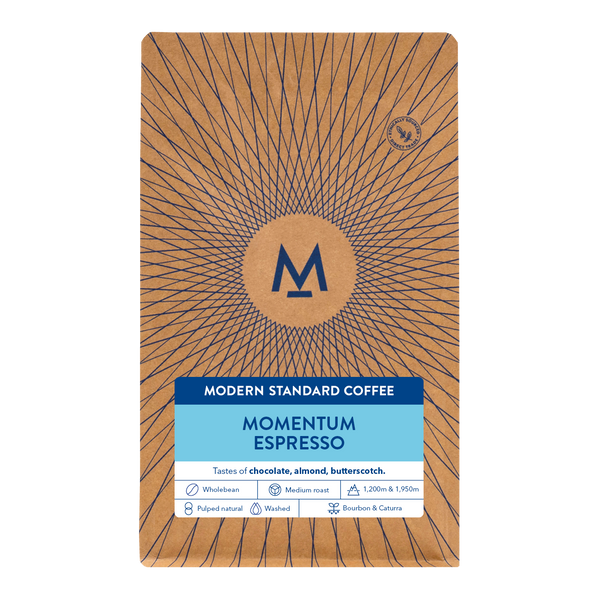
A rounded espresso with chocolate, almond and buttery butterscotch.
From £6
View coffee -
★★★★★4.81 (21)
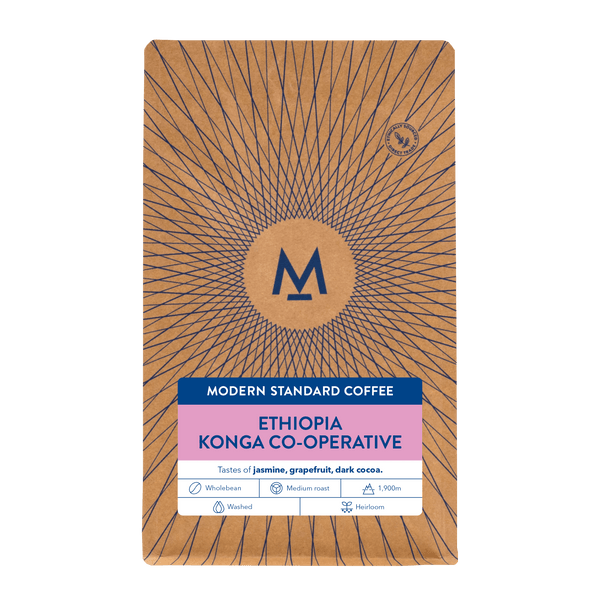
Floral jasmine, grapefruit and dark cocoa in a bright, layered cup.
From £7
View coffee
Coffee subscriptions
Never run out of fresh coffee
Choose your coffee and how often it arrives. Roasted in Glenrothes and sent to your door, and you can pause or skip whenever you need to.
Get the Journal in your inbox
New coffees, brew guides and first dibs on limited lots, straight from the roastery.