Best Coffee for a Moka Pot: A Simple Buying and Brewing Guide
Moka pot coffee needs a different grind and roast to espresso or filter. Here's how to buy the right beans and avoid the bitter, scorched cup so many stovetop pots produce.

In this article
The moka pot is one of the most loved, and most misunderstood, ways to make coffee at home.
Sat on hobs across Italy for generations, it makes a strong, rich cup that sits somewhere between espresso and filter. But buy the wrong coffee, or brew it the wrong way, and you'll end up with the bitter, scorched taste that gives moka pots an undeserved bad reputation.
What actually is moka pot coffee?
A moka pot forces water, heated to boiling in the base chamber, up through a bed of coffee grounds and into the top chamber, using steam pressure rather than a pump.
That pressure is much gentler than a proper espresso machine, but far more concentrated than a filter or cafetiere. Which means the coffee you use needs to sit between the two as well.
What grind size does a moka pot need?
This is where most people go wrong. A moka pot needs a grind finer than filter coffee, but slightly coarser than espresso, closer to a fine table salt.
Grind too fine, similar to espresso, and you risk choking the pot, leading to a slow, over-extracted, bitter brew, or even pressure building up too high.
Grind too coarse and water passes through too quickly, leaving you with a thin, weak, sour cup.
Why roast level matters for moka pot
Because a moka pot naturally produces a strong, concentrated cup, very light roasts can taste sharp or unpleasant once put through the pressure and heat involved.
Medium to medium-dark roasts tend to suit moka pot brewing best, giving you the rich, chocolatey, slightly caramelised character most people actually want from stovetop coffee.
The biggest mistake: too much heat
Coffee quality aside, the single biggest reason moka pot coffee tastes burnt is heat that's too high.
Use a low to medium heat, and remove the pot from the hob as soon as the coffee starts flowing steadily, rather than waiting for it to finish spluttering through. That spluttering stage is largely steam, not coffee, and it's where scorched, bitter flavours creep in.
Do not tamp the grounds
Unlike espresso, moka pot grounds should be level but not pressed down. Tamping restricts water flow and pressure in a way the moka pot's design isn't built for, often making the bitterness worse rather than better.
A simple moka pot routine
- Use filtered water where possible, heated slightly before adding, to reduce time on the hob.
- Fill the basket level with a fine table-salt grind, without pressing it down.
- Keep the heat low to medium throughout.
- Remove from the heat as soon as coffee flows steadily, before the spluttering stage.
- Give it a gentle stir in the top chamber before pouring, to even out the flavour.
What to buy
Look for a medium to medium-dark roast, ideally described as suiting espresso or stovetop brewing, rather than a light, delicate filter roast.
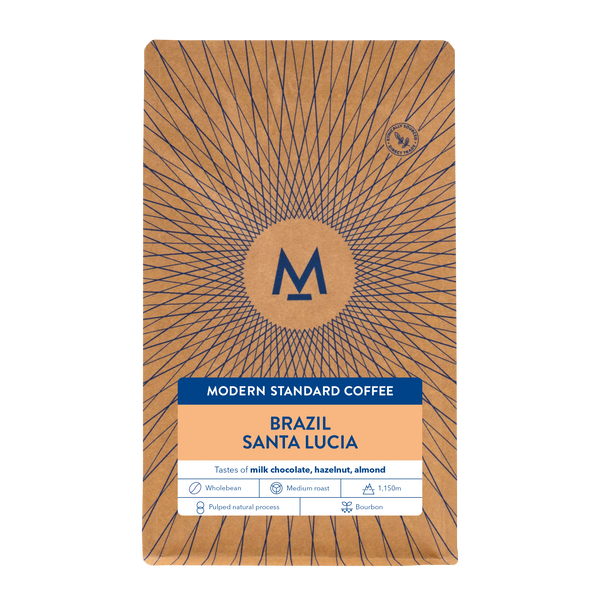
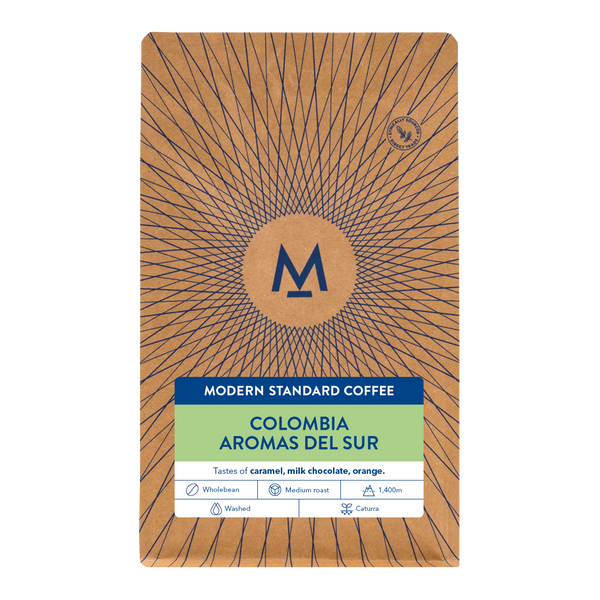
If you're not sure, our bestselling coffees are a safe, well-balanced place to start, and we can grind to order for moka pot at checkout.
Browse our full coffee range, roasted in small batches at our roastery in Fife, and give your moka pot the coffee it actually deserves.

Written by Lynsey HarleyWe roast every coffee in small batches at our roastery in Glenrothes, Fife.
Roasted in Fife
Coffees to brew with this guide
-
★★★★★4.95 (103)
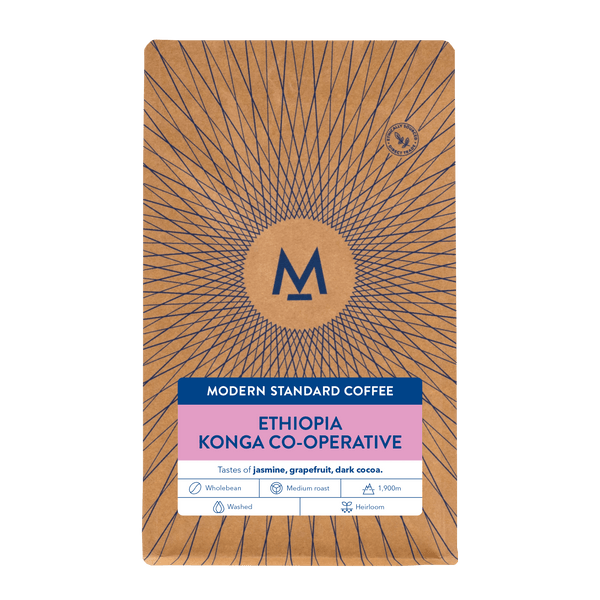
Floral jasmine, grapefruit and dark cocoa in a bright, layered cup.
From £7
View coffee
Coffee subscriptions
Never run out of fresh coffee
Choose your coffee and how often it arrives. Roasted in Glenrothes and sent to your door, and you can pause or skip whenever you need to.
Get the Journal in your inbox
New coffees, brew guides and first dibs on limited lots, straight from the roastery.