How to Store Coffee Beans Properly (Fridge, Freezer or Cupboard?)
Should you keep coffee beans in the fridge, freezer or cupboard? We explain what actually makes coffee lose its freshness, the best way to store it at home, and when freezing your coffee is a good idea.

In this article
- Should you store coffee beans in the fridge?
- What makes coffee beans lose their freshness?
- What is the best way to store coffee beans?
- Can you freeze coffee beans?
- Should you freeze ground coffee?
- How long do coffee beans stay fresh?
- Is a coffee storage container worth buying?
- Buy less coffee, more often
- Freshly roasted coffee from Scotland
Should you keep coffee beans in the fridge? Can you freeze coffee? Do you need a special coffee storage container?
These are some of the most common questions we get asked about storing coffee.
The short answer is simple. Keep the coffee you are currently drinking in a cool, dry cupboard. Avoid the fridge. Freezing coffee can work well if you do it properly.
But there is another part of coffee storage that often gets overlooked. How much coffee you buy, and how quickly you drink it, can matter just as much as the container you keep it in.
Here is what we recommend.
Should you store coffee beans in the fridge?
No. We would not recommend storing your coffee beans in the fridge.
Coffee is good at absorbing surrounding aromas, which is not particularly helpful when it is sharing a fridge with cheese, garlic, leftovers and everything else you have in there.
There is also the issue of moisture.
Taking coffee in and out of a cold fridge creates changes in temperature. This can encourage condensation, exposing your coffee to moisture and potentially accelerating the loss of flavour.
So while keeping coffee cold might sound like a sensible way of keeping it fresh, the fridge is generally one of the worst places in your kitchen to store it.
What makes coffee beans lose their freshness?
There are four main things you are trying to protect your coffee from: air, light, moisture and heat.
Understanding those makes coffee storage much simpler.
Air
Oxygen is one of the main causes of coffee becoming stale.
Once roasted coffee is exposed to air, oxidation gradually changes its flavour and aroma. Over time, the distinctive characteristics you enjoyed when the coffee was fresh become less noticeable.
This is one reason it is important to reseal your coffee bag properly after making a cup.
Light
Coffee is best kept away from direct sunlight.
Leaving beans in a clear glass jar on a sunny kitchen counter might look lovely, but it is not an ideal environment for keeping them fresh.
An opaque bag or container inside a cupboard is a much better option.
Moisture
Roasted coffee is dry and can absorb moisture from its surroundings.
That moisture can affect the flavour of the coffee and accelerate deterioration, which is another reason we recommend avoiding the fridge.
Keep your coffee somewhere dry and always close the bag or container after use.
Heat
Heat speeds up many of the processes that cause coffee to lose freshness.
Avoid storing coffee next to the oven, hob, radiator or somewhere that becomes particularly warm during the day.
A normal kitchen cupboard away from a significant heat source is usually perfectly adequate.
What is the best way to store coffee beans?
For most people, the answer is surprisingly straightforward.
Keep your coffee sealed, cool, dry and away from direct sunlight.
A resealable coffee bag with a one-way valve is perfectly suitable for everyday storage. You can also transfer your coffee to an airtight, opaque container if you prefer.
Then put it in a cupboard away from the oven or hob.
You do not need an elaborate coffee storage system to enjoy good coffee at home.
In fact, the bigger consideration is usually how long the coffee is sitting there.
Can you freeze coffee beans?
Yes. You can freeze coffee beans, and freezing can be an excellent way of preserving coffee for longer.
This is particularly useful if you have bought more coffee than you are likely to drink in the near future, or if you have a particularly special coffee that you want to keep for later.
The important part is how you freeze it.
How to freeze coffee beans properly
If you want to freeze your coffee, we recommend:
- Divide it into smaller portions first. Freeze an amount you can take out and use rather than repeatedly opening the same large batch.
- Make the packaging as airtight as possible. Use a properly sealed freezer bag or airtight container and remove as much excess air as you reasonably can.
- Avoid repeatedly freezing and defrosting the same coffee. Temperature cycling increases the risk of condensation.
- Allow the coffee to come back towards room temperature before opening the container. This helps prevent moisture in the surrounding air from condensing directly onto very cold beans.
Freezing coffee properly can preserve its quality remarkably well.
Repeatedly taking one large bag out of the freezer, opening it, pouring out some beans and putting it back is much less effective.
Should you freeze ground coffee?
You can, but if freshness is your priority, we would generally recommend buying whole beans and grinding them as you need them.
Grinding dramatically increases the surface area of the coffee exposed to air, so ground coffee loses its freshness more quickly than whole beans.
If you have a grinder at home, keep your coffee as whole beans and grind only what you need immediately before brewing.
If you do not have a grinder, do not worry. Buying freshly roasted coffee ground correctly for your brewing method can still make a huge difference compared with coffee that has been sitting pre-ground for months.
When ordering from Modern Standard, you can choose whole bean or select a grind suitable for the way you make your coffee.
How long do coffee beans stay fresh?
There is no single number that applies perfectly to every coffee.
Coffee changes after roasting. It releases carbon dioxide, develops and then gradually loses some of its more distinctive aromas and flavours.
Different coffees, roast profiles and brewing methods can also benefit from different resting periods. Espresso, for example, can often benefit from more resting time than coffee being prepared as filter.
So we would be wary of anyone telling you that coffee is automatically at its best on one particular day after roasting.
The more useful rule is to buy freshly roasted coffee in quantities you are likely to use within a reasonable period.
Coffee does not suddenly become unsafe or “go off” once it reaches a certain age. It simply changes, and eventually those distinctive flavours become less vibrant.
Is a coffee storage container worth buying?
It can be, but you do not necessarily need one.
A good coffee storage container should protect your beans from air, light and moisture.
However, putting coffee into an expensive container does not magically stop it ageing.
If you are buying freshly roasted coffee, resealing the bag properly and drinking it regularly, the original packaging may be all you need.
We would rather you spend your money on better coffee than an unnecessarily complicated container.
Buy less coffee, more often
This is probably the most useful piece of coffee storage advice we can give you.
Rather than buying a huge amount of coffee and trying to preserve it for months, buy an amount that suits how much coffee you actually drink.
You will spend less time worrying about storage and more time drinking the coffee while it still tastes great.
It is also one of the reasons coffee subscriptions can be genuinely useful.
A coffee subscription means you can have smaller quantities of freshly roasted coffee delivered regularly rather than buying several bags at once and storing them for months.
Our rolling subscriptions can be delivered weekly or monthly, and you can pause, skip or change your subscription online if you find you are getting through your coffee faster or slower than expected.
Freshly roasted coffee from Scotland
All Modern Standard coffee is roasted at our speciality coffee roastery in Scotland, based in Glenrothes, Fife. If you live in Scotland, our Scottish coffee subscription gets it to you fast.
If you like rich, familiar coffees for espresso and milk drinks, take a look at our espresso blends.
If you enjoy exploring different origins, producers and flavour profiles, browse our single origin coffees.
Or, if you are not quite sure where to start, our bestselling coffees are a good place to begin.
However you make your coffee, the basic storage advice stays the same.
Keep it away from air, light, moisture and heat. Avoid the fridge. Freeze it properly if you need to keep it for much longer. And, whenever possible, buy freshly roasted coffee in an amount you are actually going to drink.
Want to know what’s in your daily cup? Our coffee calorie calculator works it out for your drink, milk and size.

Written by Lynsey HarleyWe roast every coffee in small batches at our roastery in Glenrothes, Fife.
Roasted in Fife
Coffees to brew with this guide
-
★★★★★4.91 (47)
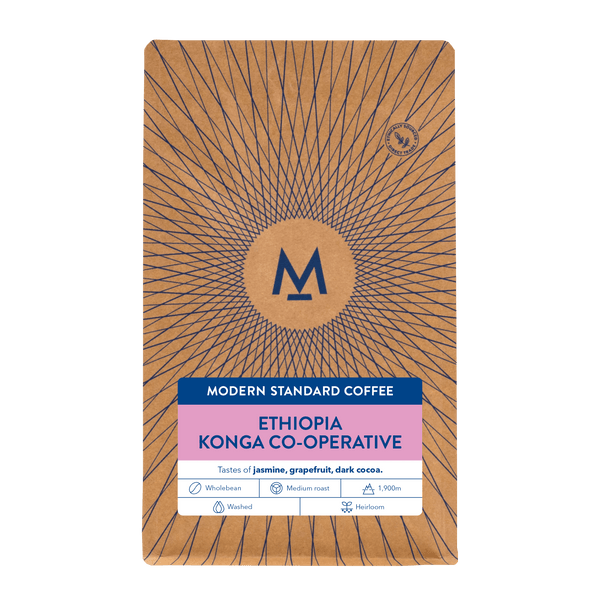
Floral jasmine, grapefruit and dark cocoa in a bright, layered cup.
From £7
View coffee
Coffee subscriptions
Never run out of fresh coffee
Choose your coffee and how often it arrives. Roasted in Glenrothes and sent to your door, and you can pause or skip whenever you need to.
Get the Journal in your inbox
New coffees, brew guides and first dibs on limited lots, straight from the roastery.