Why Does My Coffee Taste Bitter? (And How to Fix It)
Coffee tasting harsh or bitter? It's almost always fixable. Here's what's actually causing it, and the five changes that work.

In this article
If your coffee tastes harsh, ashy, or leaves an unpleasant aftertaste, you're not alone - bitterness is one of the most common complaints home brewers have, and the good news is it's almost always fixable. Here's what's actually causing it, and what to change.
The Most Common Cause: Over-Extraction
Bitterness in coffee usually comes down to one thing: over-extraction. When water spends too long in contact with your grounds, or moves through them too slowly, it pulls out more of the bitter compounds in the bean than it should - compounds that are naturally there, but only meant to make up a small part of the flavour.
Think of it like steeping tea: leave the bag in too long, and it turns bitter and harsh. Coffee works the same way.
The Five Fixes That Actually Work
1. Grind coarser This is the single biggest fix for most people. A grind that's too fine slows water down too much, over-extracting the coffee. If you're using a cafetière, pour-over, or espresso machine and your coffee tastes bitter, try grinding one or two settings coarser and see what happens.
2. Brew for less time If you're using a method with a manual brew time - a French press, an Aeropress, a V60 — try shortening it slightly. A cafetière, for example, should generally sit for around 4 minutes, not much longer.
3. Lower your water temperature Water that's too hot extracts bitter compounds faster. Ideal brewing temperature sits around 90 - 96°C - just off the boil, not straight out of a kettle at a rolling boil. If you don't have a temperature-controlled kettle, letting boiled water sit for 30 seconds before pouring makes a real difference.
4. Use less coffee, or more water A ratio that's too strong for the method can taste bitter simply from concentration. As a starting point, aim for roughly 60g of coffee per litre of water, then adjust to taste.
5. Check your roast date Coffee that's stale doesn't just taste flat - it can actually taste more bitter, as the pleasant, delicate flavours fade first and leave the heavier, harsher notes more exposed. Look for a roast date, not just a best-before date, and aim to use coffee within 4-6 weeks of roasting.
What If It's Not Over-Extraction?
Occasionally, bitterness comes from the beans themselves rather than your brewing - very dark roasts naturally carry more bitterness, since the roasting process itself creates bitter compounds the longer it goes. If you've tried the fixes above and it's still not right, try switching to a lighter or medium roast and see if that solves it.
The Quick Version
If you only try one thing: grind coarser. It's the fix most people need, and it takes ten seconds to test.
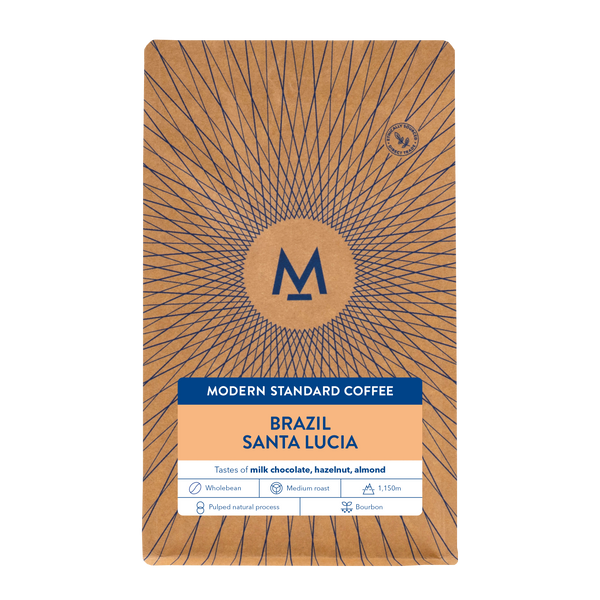
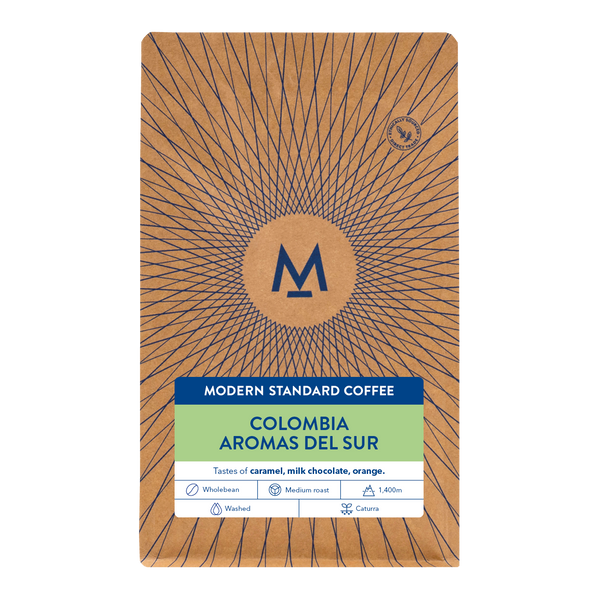
Want to try a coffee built for balance rather than bitterness? Our medium roast espresso blends are designed to be forgiving and smooth, even if your brewing isn't perfect yet.

Written by Lynsey HarleyWe roast every coffee in small batches at our roastery in Glenrothes, Fife.
Roasted in Fife
Coffees to brew with this guide
-
★★★★★4.91 (47)
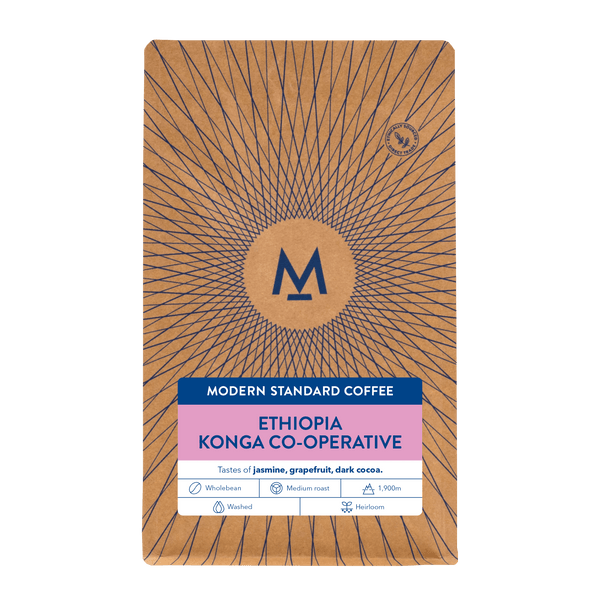
Floral jasmine, grapefruit and dark cocoa in a bright, layered cup.
From £7
View coffee
Coffee subscriptions
Never run out of fresh coffee
Choose your coffee and how often it arrives. Roasted in Glenrothes and sent to your door, and you can pause or skip whenever you need to.
Get the Journal in your inbox
New coffees, brew guides and first dibs on limited lots, straight from the roastery.