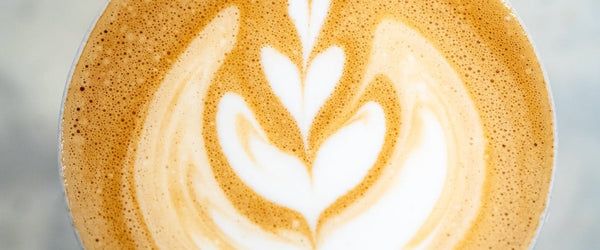
Espresso
How to dial in- Dose
- 18g
- In the cup
- 38 to 40g
- Time
- 26 to 30 sec
- Water temp
- 94°C
- Grind
- Fine
- Ratio
- About 1:2.2


Kiwi · Caramel · Lime
Bright kiwi and lime balanced by caramel sweetness.
See all subscription options →Rolling, pre-paid and gift terms, priced per delivery Roasted to orderPeak freshness
 Free delivery over £30UK mainland
 Earn Coffee Passport PointsEarn up to 6 pts per £1 spent
 EwanOperations Support
Bright kiwi and lime, balanced with caramel sweetness. It's smooth, easy to drink and my go-to filter at the moment.
“Just right for our weekend coffees.”
“Really tasty as a long black.”
“Delicious coffee, especially with some milk.”
“Really enjoyed this through my AeroPress, a lovely start to the morning.”
Dial it in
Our starting recipes for this coffee. Every grinder and machine is a little different, so taste and adjust.
What to taste for: kiwi, caramel, lime.
Bright single origins often taste best as a slightly longer espresso than our blends, so try this one at 38 to 40g.
Change one thing at a time so you know what made the difference. Grind size guide. Words explained in our coffee glossary.

Finca Agua Caliente is located in El Salvador’s Apaneca–Lamatepec region, an area known for its high-altitude coffee farms and fertile volcanic soils. The farm takes its name from the nearby thermal hot springs, whose mineral-rich waters are used during processing. Coffee cherries are carefully hand-picked before being pulped, fermented and washed on site, with every stage closely monitored to ensure consistency and quality. With a focus on careful processing and respect for the natural environment, Finca Agua Caliente reflects a thoughtful, quality-driven approach to coffee production.
Grown at elevations between 1,250 and 1,750 metres above sea level, this washed coffee offers a smooth, balanced cup with bright fruit character and gentle sweetness. Notes of kiwi, caramel and lime sit alongside a silky body, creating a refined and approachable profile that works particularly well for filter brewing. Shaped by the region’s unique microclimate and meticulous processing, this coffee showcases the elegance and vibrancy typical of the Apaneca–Lamatepec region.
Meet the producer
Finca Agua Caliente · Apaneca–Lamatepec, El Salvador
From the Journal