


El Salvador William Dias (pacamara)
El Salvador William Dias (pacamara)
Shipping
Shipping
Free UK shipping on all orders over £30.
Letterbox-friendly packaging for orders of 1 or 2 bags of coffee.
See our Shipping Policy for more information.
Pickup
Pickup
Sorry, pickup availability is not accessible for this product.
Reviews
Reviews


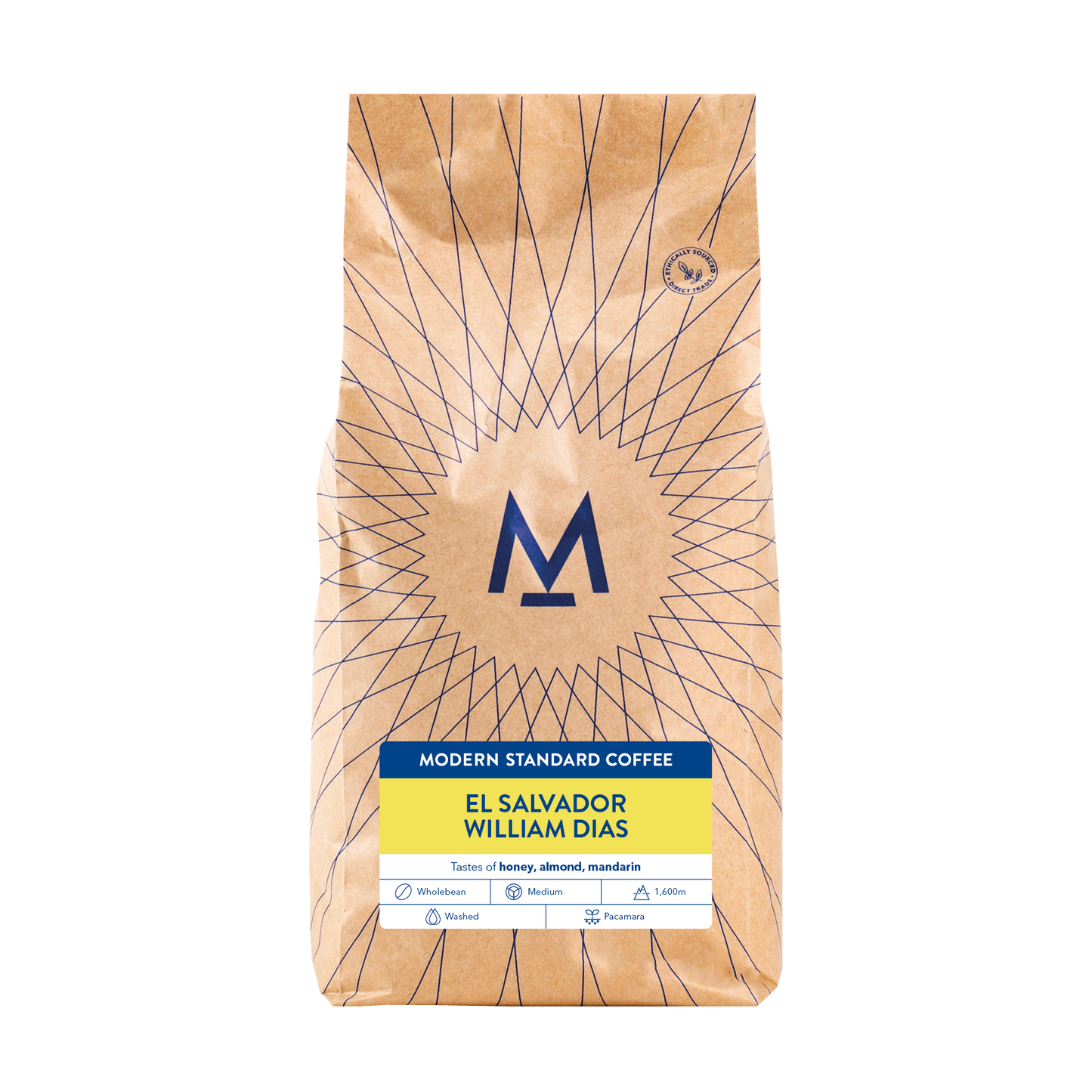
The overview
| Countries of origin | El Salvador |
| Producer | William Dias |
| Altitude | 1400 - 1700m |
| Varietal | Pacamara |
| Process | Washed |
The producer
William Dias is a coffee producer in El Salvador specialising in the cultivation of Pacamara, a varietal prized for its large bean size and expressive cup profile. Working at high altitude, William focuses on careful farm management and selective harvesting to bring out the best of this distinctive variety. Attention to detail at every stage — from cherry selection through to processing — ensures consistency and quality year after year.
The coffee
This Pacamara lot offers a structured yet approachable cup, combining sweetness with gentle fruit character and a rounded mouthfeel. The coffee is carefully processed to preserve clarity while allowing the varietal’s natural richness to shine. Well balanced and refined, it performs beautifully as a filter coffee, with enough depth and sweetness to suit espresso brewing too.
Why we love it

I've visited Finca la Providencia every year for the last 5 years; the coffee that Max produces always amazes me. Always sweet, chocolatey and lots of caramel noes.
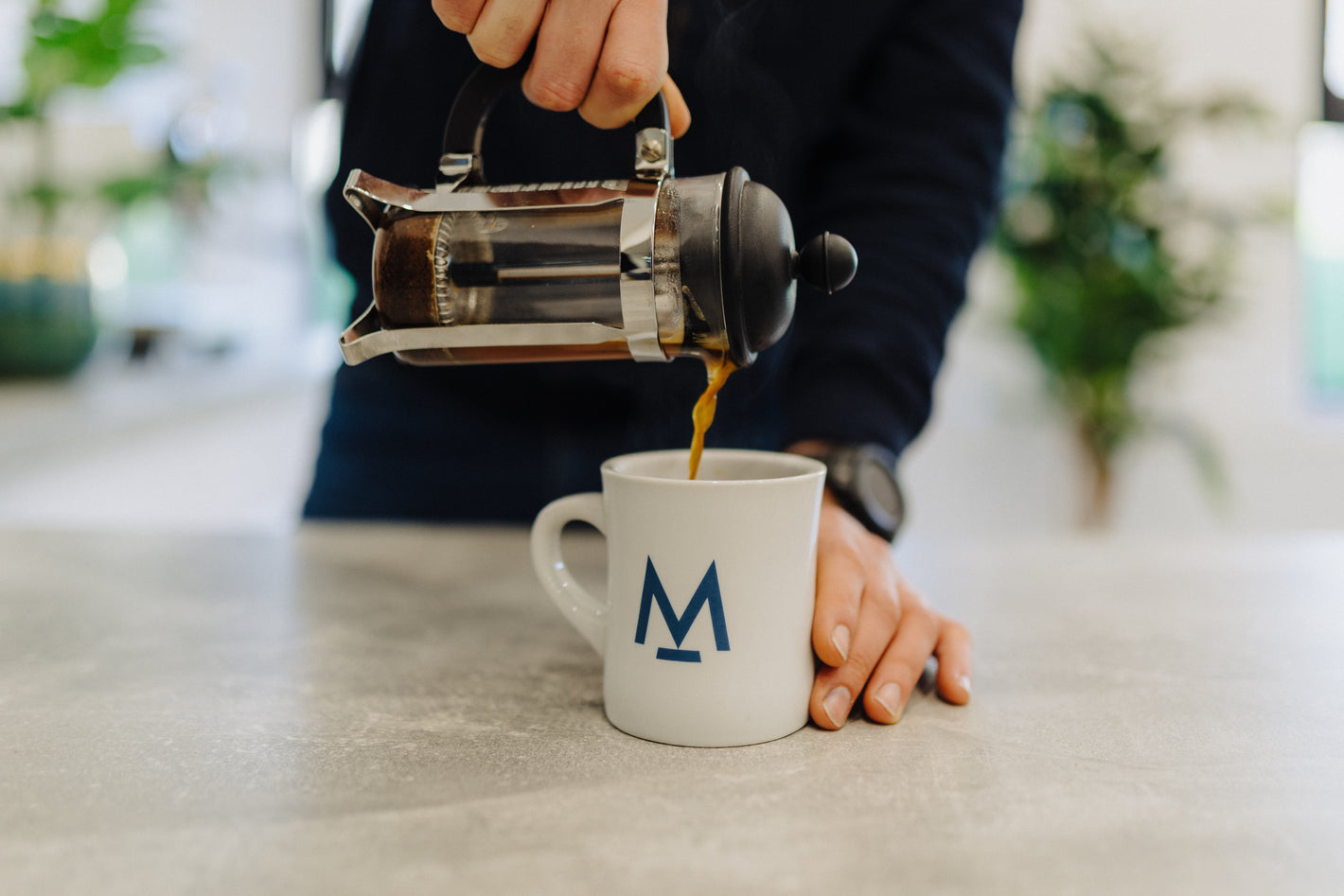
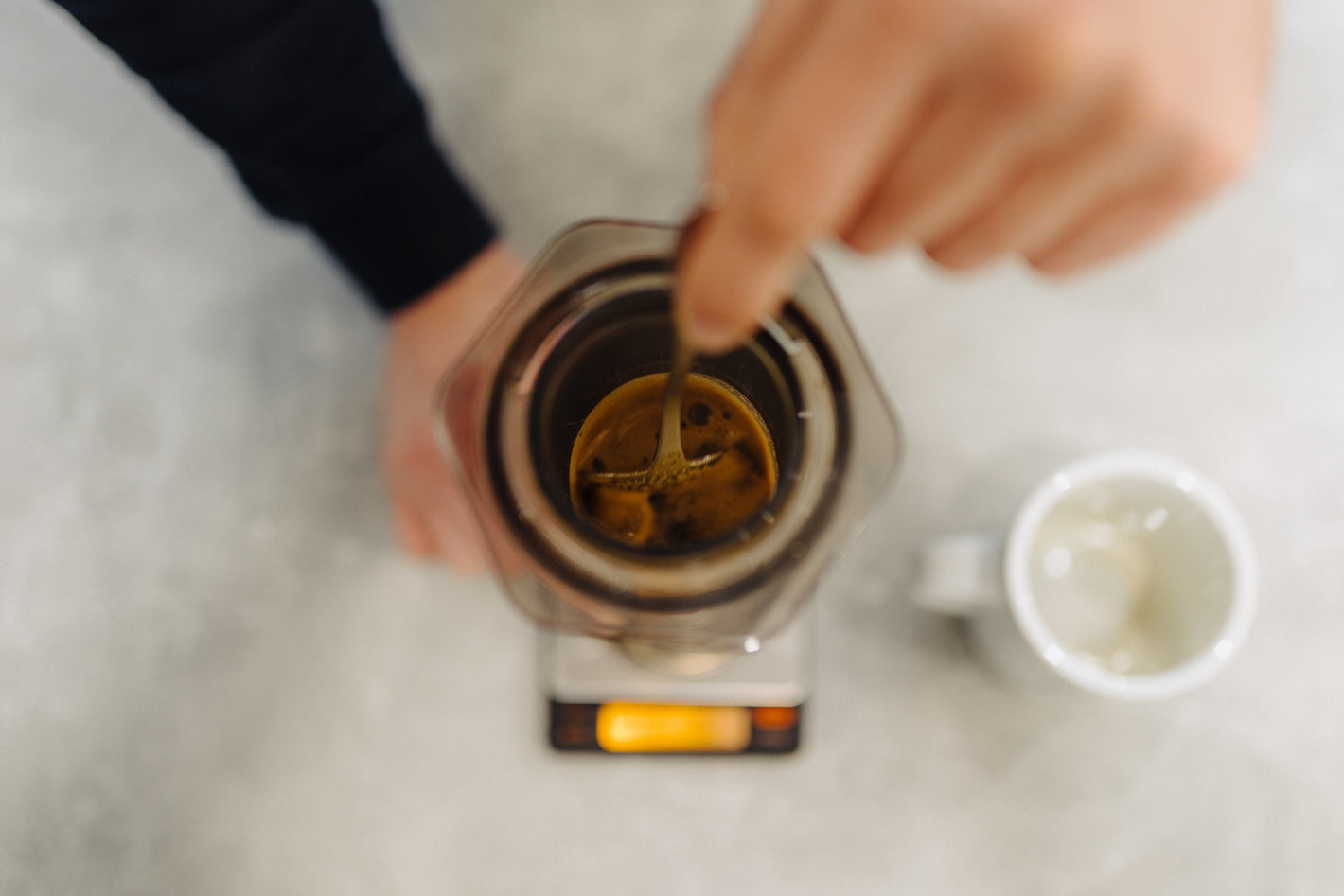
Lynsey's Brew Guide

Out: 31-33g
Time: 24-26s

Water: 305g
Ratio: 1:17

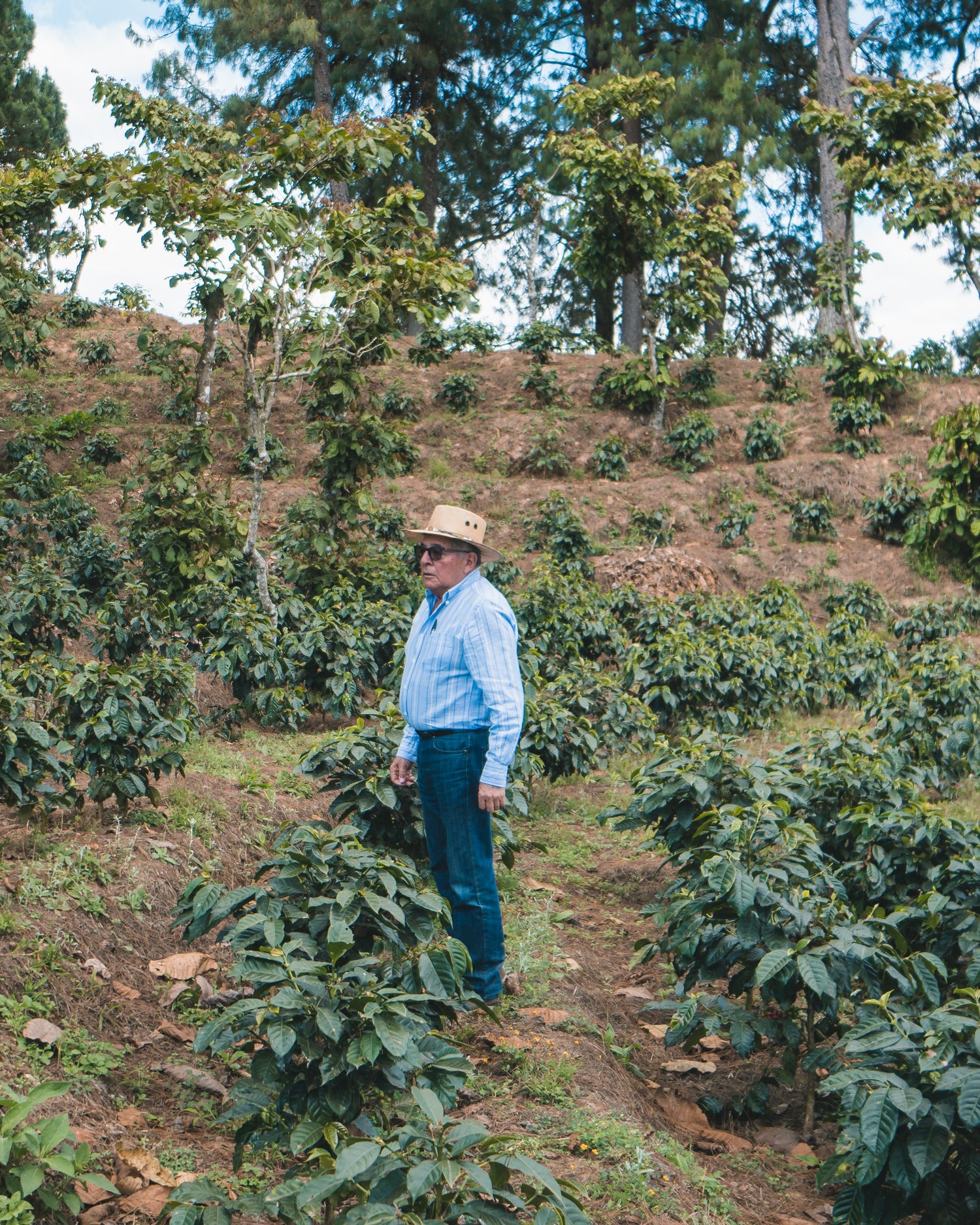
El Salvadorian coffees
Coffee arrived in El Salvador in the 1880s and soon became a major wealth generator for the country’s elite rulers. Indigo, the plant that was used to dye cloth that iconic blue, had long been the main export crop for both El Salvador and Guatemala. However, in the 1880s, as new, cheaper, man-made dyes became available, the country’s indigo export business gradually disappeared.
As coffee supplanted indigo as the country’s biggest export crop, the small, landholding elite who possessed large swathes of land benefited. These elites were almost all deeply connected to politics, including the president of El Salvador himself, General Tomás Regalado, who at one point owned more than 6,000 hectares. Politicians had a habit of using their office (and the military) to force peasants to cede their land to cronies and even to work as poorly- or unpaid forced labor on large estates.
The landed elite invested heavily in infrastructure - roads and mills - that enabled El Salvador’s coffee industry to flourish. However, it was not until many years later, when land was redistributed to landless farmers, that the majority of the population was able to benefit from those investments.
By the 1920s, 90% of El Salvador’s exports were coffee, and by the 1970s, El Salvador was the world’s 4th largest coffee producer. This accolade is made even more impressive when considering El Salvador’s diminutive size. Unfortunately, El Salvador’s standing as an agricultural powerhouse was decimated by the full-fledged civil war that lasted from 1979 to 1992.
One outcome of the country’s civil war was significant land reform that disaggregated many of the large estates and redistributed land to landless workers. Today, 95% of El Salvador’s coffee growers cultivate coffee on fewer than 20 hectares. Estate sizes for single owners are capped at 245 hectares.

Latest journal posts
-

Pride Espresso is back for 2026
Our Pride Espresso is back: a bright, joyful blend of Colombia, Guatemala and Ethiopia with tasting notes of peach, melon and sugarcane. Created to celebrate Pride, £1 from every bag...
Pride Espresso is back for 2026
Our Pride Espresso is back: a bright, joyful blend of Colombia, Guatemala and Ethiopia with tasting notes of peach, melon and sugarcane. Created to celebrate Pride, £1 from every bag...
-

Discover Our New Mix & Match 1kg - Coffee, Your...
Our new Mix & Match 1kg lets you build your own perfect coffee combo. Choose two coffees, roasted fresh to order, and enjoy flexibility without compromise — ideal for home...
Discover Our New Mix & Match 1kg - Coffee, Your...
Our new Mix & Match 1kg lets you build your own perfect coffee combo. Choose two coffees, roasted fresh to order, and enjoy flexibility without compromise — ideal for home...
-

New Year, New Coffee ☕
A fresh start for your cup and your routine January brings a rare sense of clarity. The calendar resets, habits feel adjustable, and small improvements suddenly matter. New shoes, calmer...
New Year, New Coffee ☕
A fresh start for your cup and your routine January brings a rare sense of clarity. The calendar resets, habits feel adjustable, and small improvements suddenly matter. New shoes, calmer...


