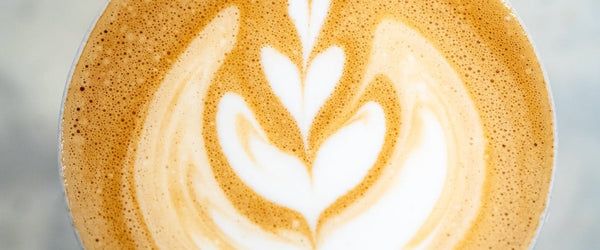
Espresso
How to dial in- Dose
- 18g
- In the cup
- 38 to 40g
- Time
- 26 to 30 sec
- Water temp
- 94°C
- Grind
- Fine
- Ratio
- About 1:2.2


Apple · Chocolate · Cherry
Sweet apple and cherry layered over chocolate.
See all subscription options →Rolling, pre-paid and gift terms, priced per delivery Roasted to orderPeak freshness
 Free delivery over £30UK mainland
 Earn Coffee Passport PointsEarn up to 6 pts per £1 spent
 CaitlinProduction
This coffee is more than just delicious; it does good too. £1 from each bag goes to Women's Aid, and supporting an all-female producer group is so important.
“Really tasty as a long black.”
“Really delicious coffee, very smooth”
“Really delicious coffee, very smooth”
“Lovely flavoursome coffee (drip filter). Well done ladies!”
“Excellent coffee, great balance of of fruit and chocolate flavours.”
Dial it in
Our starting recipes for this coffee. Every grinder and machine is a little different, so taste and adjust.
What to taste for: apple, chocolate, cherry.
Bright single origins often taste best as a slightly longer espresso than our blends, so try this one at 38 to 40g.
Change one thing at a time so you know what made the difference. Grind size guide. Words explained in our coffee glossary.

Pachamama (meaning Mother Earth) is exclusively grown, farmed, harvested, processed by women, for every bag sold, we will donate £1 to Women's Aid in honour of International Women's Day.
This coffee is produced on 9 different microlots, highlighting the work of Edith Pena, Mary Montejo and Petronila Lale. This coffee is grown amongst vanilla, sweet potatoes, peanuts and other plants to act as a secondary revenue for the growers. Each crop can also serve multiple purposes; fruit trees for shading the coffee plants and also timber. The neem tree also produces an oil that is naturally anti-fungal which can control coffee leaf rust, which is an ongoing problem for farmers.
The coffee cherry is pulped on member farms, and after selective handpicking the female producers float their cherries to remove under and over ripe cherries. They pulp the cherry and place it in plastic barrels to ferment anaerobically for approximately 18 hours.
Finally, they wash the parchment in clean water and lay it to dry in parabolic dryers.
The parchment coffee is raked frequently to ensure even drying and then it is hand sorted to remove any defective beans.
Meet the producer
Pachamama · Peru
From the Journal